What to Do in the First Hour After a Car Accident: A Minute-by-Minute Guide
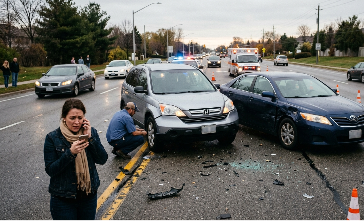
What to Do in the First Hour After a Car Accident (2026 Guide)
Quick answer: In the first hour after a car accident, your priorities in order are: (1) check for injuries and get to safety, (2) call 911, (3) document the scene while it’s fresh, (4) exchange information, and (5) protect your insurance claim by avoiding statements that assign fault. Recent crash data from national traffic safety agencies show millions of police‑reported crashes on U.S. roads every year — most drivers will experience at least one collision in their lifetime, and adrenaline can easily mask serious injuries in the first hour.
This 2026 guide breaks down the first 60 minutes into simple, time‑stamped steps you can follow at the scene, plus what to do in the next 24–48 hours to protect your health, insurance claim, and any future legal case. For a deeper, printable checklist, see our Complete Step‑by‑Step Checklist (2026) .
Minutes 0–2: Check for Injuries and Get to Safety
- Stay calm and check yourself first. Adrenaline can hide pain from fractures, whiplash, or internal injuries for hours.
- Check on passengers and the other driver if it’s safe to do so, without putting yourself at risk in traffic.
- If the vehicle is drivable and no one is seriously hurt, move it out of traffic to a safe shoulder or parking lot and turn on your hazard lights. Never leave the scene entirely — in most states, leaving can be treated as a hit‑and‑run.
- If anyone is seriously injured or the vehicle can’t be moved, stay put, keep hazard lights on, and wait for help. Do not move injured people unless they are in immediate danger (for example, from fire).
If you carry a basic first‑aid kit or emergency triangle, this is the moment to use it — many emergency‑services guides recommend simple measures like keeping victims warm and avoiding unnecessary movement until professionals arrive.
Minutes 2–10: Call 911 — Every Time
Even for a minor fender‑bender, call 911 or your local emergency number. This matters for two key reasons:
- Medical: Dispatchers can send paramedics to evaluate injuries you may not yet feel, and they can talk you through basic first‑aid while help is on the way.
- Legal: A police‑generated crash report is often one of the most important pieces of evidence for your insurance claim. Adjusters rely heavily on it when deciding liability. Without a report, disputes often become your word against the other driver’s.
When police arrive, answer questions honestly and stick to what you observed. Describe what you saw — location, direction of travel, traffic signal status — but avoid guessing about speed, distance, or who was at fault. Saying “I’m not sure” is better than guessing and having that guess quoted later.
Minutes 10–25: Document the Scene While It’s Fresh
Evidence at a crash site disappears quickly — skid marks fade, vehicles get towed, witnesses leave, and weather changes. Use your phone to capture:
- Wide shots of the full scene from multiple angles, including lane positions.
- Close‑ups of damage to all vehicles involved (not just yours).
- License plates, street signs, traffic lights, and any skid marks or debris.
- Visible injuries (yours and others’, if appropriate and with respect for privacy).
- Weather and road conditions, such as rain, ice, or poor lighting.
If there are witnesses, politely ask for their name and phone number before they leave — in minor crashes, officers sometimes do not record witness details. Many modern courts and insurers also treat dash‑cam footage as powerful evidence, so save and back up any recording immediately.
Minutes 25–40: Exchange Information
Once the scene is safe and initial documentation is underway, calmly exchange information with the other driver.
| Information to Collect | From the Other Driver |
|---|---|
| Full name and phone number | ✔ |
| Driver’s license number | ✔ |
| Insurance company and policy number | ✔ |
| License plate, make, model, year, VIN | ✔ |
| Officer’s name and badge/report number | From responding police |
Keep the exchange businesslike. This is not the moment to argue, apologize, or speculate about what happened — even a well‑meaning “I’m sorry” can later be misused as an admission of fault. If emotions run high, tell the other driver you prefer to let the insurance companies and police handle the details.
Minutes 40–60: Protect Your Claim Before You Leave the Scene
- Do not accept a cash offer or “let’s not involve insurance” proposal from the other driver. Hidden vehicle damage and injuries often show up days later, and private cash deals leave you with no formal protection.
- Avoid recorded statements to any insurance company (including your own) beyond basic facts like date, time, and location, until you’ve had a chance to think clearly or speak with an attorney.
- Note the time, exact location, and how you feel physically in your phone’s notes app or a paper notebook. Small details fade quickly and can become important later.
- Arrange a safe ride if your vehicle isn’t drivable, and go straight to urgent care or an ER if you have any pain, dizziness, confusion, or discomfort — even if it seems minor.
If your local law allows you to move vehicles after taking photos (to avoid blocking traffic), follow those rules. Many updated traffic codes now encourage photographing the scene and then moving cars off the roadway for minor property‑damage crashes.
What Happens After the First Hour (Next 24–48 Hours)
Once you are off the road and in a safe place, the next 24–48 hours matter almost as much as the first hour:
- Get a full medical evaluation, even if you feel “fine.” Concussions, soft‑tissue injuries, and some internal injuries may take a day or more to show symptoms. A prompt exam creates a documented link between the crash and your injuries.
- Notify your insurance company of the accident. Give a factual report (who, where, when, type of damage), but avoid speculating about fault or giving recorded statements about how the collision happened before you’re ready.
- Keep every document from day one: medical bills, prescriptions, repair estimates, tow receipts, rental‑car invoices, and records of missed work. Organizing these early makes settlement discussions much easier later.
- Consider speaking with a car accident attorney if injuries are more than minor, if fault is disputed, or if there is significant vehicle damage. Many lawyers offer free consultations and can explain your rights and next steps.
If your crash happened in a specific state and you want to understand how local fault rules and deadlines affect your case, check our Car Accident Laws by State 2026 and Car Accident Settlement Calculator 2026 .
Frequently Asked Questions
Should I call the police for a minor fender-bender?
Yes. Even minor crashes benefit from an official police report, which most insurance companies rely on when determining fault. Without a report, disputes often come down to one driver’s word against the other’s, making it harder to protect your claim.
What if I feel fine after the accident — do I still need medical care?
Yes. Adrenaline can mask pain from whiplash, concussions, and internal injuries for many hours. A prompt medical evaluation helps catch hidden problems and creates a clear record tying your symptoms to the crash, which is important for any future injury claim.
Should I apologize or admit fault at the scene?
No. Even a casual “I’m sorry” can later be used as evidence of fault. Stick to exchanging factual information and describing what happened without assigning blame. Let the police report and insurance investigation determine liability.
Can I accept a cash offer from the other driver to avoid involving insurance?
This is generally not advisable. Vehicle damage and injuries are often more serious than they first appear, and a private cash deal gives you no formal claim if costs turn out higher. Filing an official insurance claim is usually the safer path.
What’s the very first thing I should do after a crash?
Check yourself and others for injuries, then, if the vehicle is drivable and no one is seriously hurt, move it out of traffic and turn on your hazard lights. Once everyone is safe, you can focus on calling 911, documenting the scene, and protecting your claim.
This article is for general informational purposes and does not constitute legal advice. Laws and procedures can vary by state or country. If you’ve been injured in a car accident, request a free consultation with a car accident attorney to understand your specific rights and options.
Related reading: Car Accident Claims Hub · Complete Step‑by‑Step Checklist (2026) · Car Accident Settlement Calculator 2026
Comments (0)