Rear-End Car Accident Settlement Guide: What One Driver Did Right After a Crash
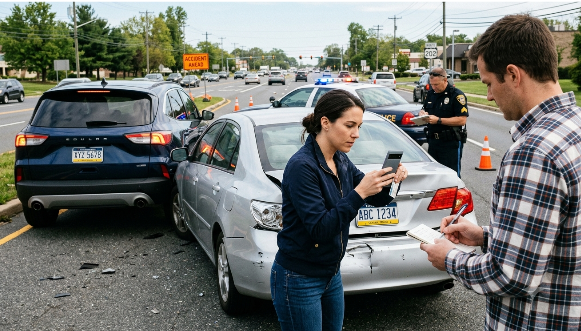
Rear-End Car Accident Settlement Guide: What One Driver Did Right After a Crash
Disclaimer: This educational case study is based on common accident scenarios and is intended for informational purposes only. It is not legal advice.
A Normal Morning That Changed Everything
Michael, a 38-year-old software engineer from Dallas, Texas, was driving to work on a clear Tuesday morning. Traffic was moving slowly due to road construction.
As he approached a red light, he safely stopped behind another vehicle. Seconds later, another driver looked down at a mobile phone and failed to notice traffic had stopped.
The impact pushed Michael's SUV into the vehicle ahead.
At first, the damage looked minor.
The injuries did not.
Several hours later, Michael began experiencing severe neck stiffness, headaches, and shoulder pain.
The First Decision That Protected His Rights
Many accident victims make one critical mistake—they go home without seeking medical care.
Michael did the opposite.
He visited an emergency clinic the same day.
Doctors diagnosed him with a cervical strain commonly known as whiplash.
Medical records created immediately after the accident later became one of the strongest pieces of evidence supporting his insurance claim.
Collecting Evidence at the Scene
Before leaving the accident scene, Michael carefully documented everything.
He:
- Took over 40 photos of all vehicles.
- Photographed skid marks and traffic signs.
- Saved dashcam footage.
- Collected witness contact information.
- Requested a copy of the police report.
- Exchanged insurance information.
These simple steps significantly strengthened his claim.
Dealing With the Insurance Company
Within 24 hours, the insurance company contacted Michael requesting a recorded statement.
Instead of answering immediately, he politely declined until he fully understood his legal rights.
This decision prevented statements that could later be interpreted against him.
Understanding Liability
Rear-end collisions are frequently—but not always—the fault of the driver behind.
Insurance investigators usually examine:
- Speed
- Driver distraction
- Road conditions
- Brake failure
- Traffic camera footage
- Witness testimony
Each accident requires its own investigation.
Medical Treatment Continued
Over the next three months Michael attended physical therapy twice each week.
His medical expenses included:
- Emergency room visit
- Diagnostic imaging
- Physical therapy
- Prescription medication
- Follow-up examinations
He also missed several weeks of work due to persistent pain.
Calculating Damages
A personal injury claim may include compensation for:
- Medical bills
- Future medical treatment
- Lost wages
- Reduced earning capacity
- Pain and suffering
- Property damage
- Transportation expenses
Every case is different, and compensation depends on the available evidence and applicable law.
The Settlement Process
Rather than accepting the insurer's initial offer, Michael gathered all medical records, repair estimates, wage documentation, and supporting evidence before negotiations began.
After several rounds of discussions, the parties reached a settlement that reflected both his financial losses and documented injuries.
Lessons Every Driver Should Remember
If you're involved in a rear-end accident:
- Stay calm and call emergency services if needed.
- Move to a safe location when possible.
- Photograph everything.
- Obtain witness information.
- Seek medical attention promptly.
- Notify your insurance company.
- Keep every receipt and medical record.
- Consider consulting a qualified personal injury attorney before accepting a settlement.
Frequently Asked Questions
Should I accept the insurance company's first offer?
Not necessarily. Early offers may not reflect the full extent of your injuries or future medical expenses.
Do I need a lawyer?
Complex cases involving significant injuries, disputed liability, or substantial financial losses may benefit from legal representation.
How long does a settlement take?
Some claims resolve within a few months, while others may take considerably longer depending on the facts of the case.
What if I feel fine after the accident?
Some injuries, including whiplash and certain soft tissue injuries, may not appear until hours or days later. Prompt medical evaluation is recommended.
Official Resources
For additional information, consult these official resources:
- National Highway Traffic Safety Administration (NHTSA): https://www.nhtsa.gov
- Centers for Disease Control and Prevention (CDC): https://www.cdc.gov
- USA.gov – Auto Insurance Information: https://www.usa.gov
- Insurance Information Institute (III): https://www.iii.org
Final Thoughts
A rear-end collision can have lasting physical, emotional, and financial consequences. Knowing what to do immediately after an accident can help protect both your health and your legal rights. Careful documentation, timely medical treatment, and an understanding of the claims process are essential steps toward a fair resolution.
Comments (0)